Understanding Goldshell KS5 Kaspa Profit: A Practical Guide for Indian Miners
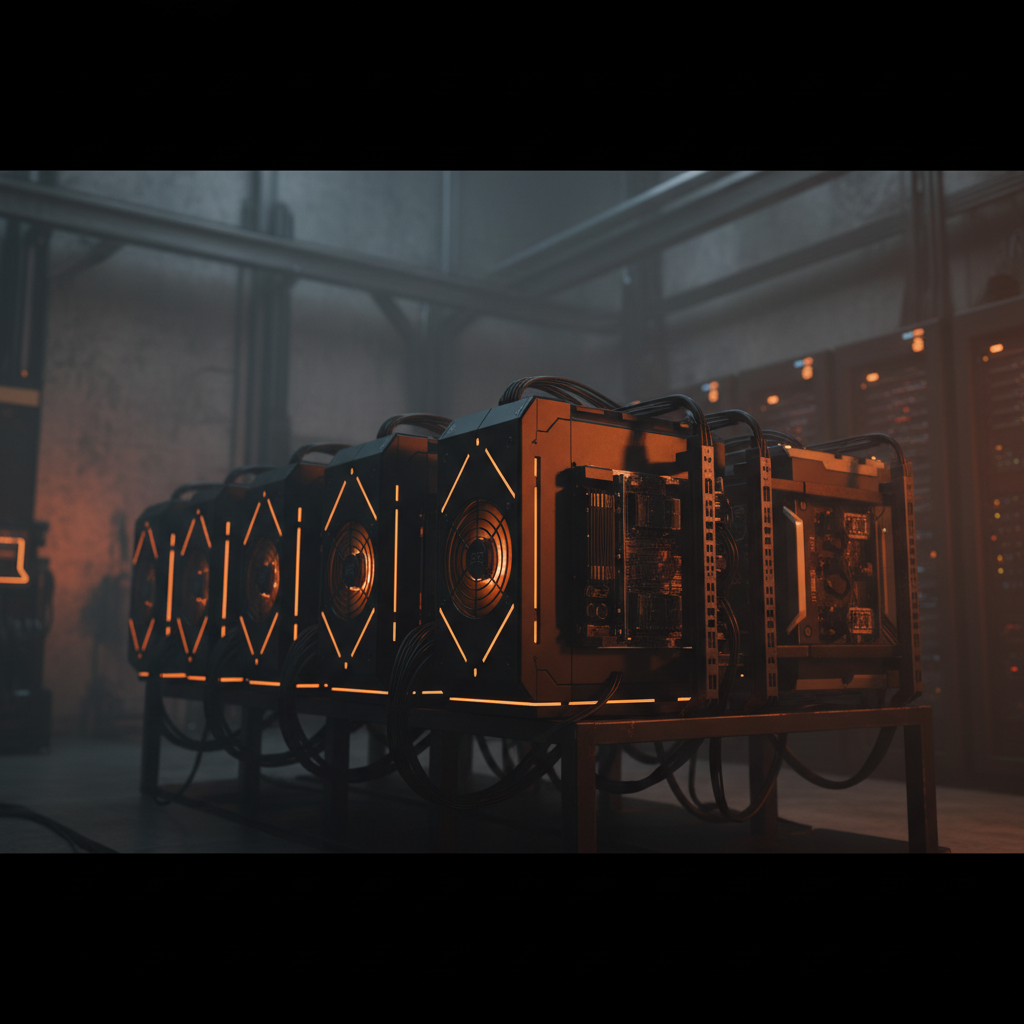
Explore the profitability of the Goldshell KS5 in mining Kaspa. Understand the costs, earnings, and key considerations for Indian miners.
Introduction
In the ever-evolving landscape of cryptocurrency mining, the choice of hardware can significantly impact your profitability. One popular option among miners is the Goldshell KS5, designed specifically for mining Kaspa. But how do you evaluate its profit potential in the Indian market? In this post, we'll break down the numbers, helping you make an informed decision.
Core Explainer
The Goldshell KS5 is a powerful ASIC miner with impressive specs that make it an appealing choice for those looking to mine Kaspa. To understand its profitability, consider the following:
- Hash Rate: The Goldshell KS5 boasts a hash rate of up to 40 TH/s.
- Power Consumption: It consumes around 2000W of electricity.
- Mining Difficulty: Kaspa's mining difficulty can fluctuate, affecting your overall earnings.
Profitability Breakdown
To evaluate the profitability of the Goldshell KS5, let’s consider a step-by-step approach:
- Estimate Daily Earnings: Use a mining profitability calculator to input the hash rate, power consumption, and current Kaspa price.
- Calculate Electricity Costs: Multiply your miner's wattage by your local electricity rate.
- Consider Additional Costs: Factor in maintenance, hosting fees, and potential cooling costs.
- Project Monthly Profit: Subtract your total expenses from your earnings to calculate your net profit.
India-Specific Math
When analyzing profitability in India, it's crucial to consider local costs:
- Electricity Rate: Industrial electricity costs typically range from ₹7 to ₹9 per kWh.
- GST: Remember to include an 18% GST on hardware purchases and electricity costs.
Example Calculation
Assuming:
- Hash Rate: 40 TH/s
- Kaspa Price: ₹5
- Daily Earnings: 0.5 Kaspa (approx.)
- Daily Electricity Cost: 2000W 24 hours ₹8/kWh = ₹384
- Monthly Earnings: 0.5 Kaspa 30 days ₹5 = ₹75
- Monthly Electricity Cost: ₹384 * 30 = ₹11,520
Your monthly profit calculation will look like this:
- Monthly Profit = Monthly Earnings - Monthly Electricity Cost
= ₹75 - ₹11,520 = -₹11,445 (indicating a loss in this scenario).
Payback Period
If you were to invest in the Goldshell KS5, priced around ₹1,50,000, and considering the above calculations, the payback period might extend beyond a year, depending on market fluctuations and your operational costs.
Which MB Miners Product Fits This Use Case
At MB Miners, we offer the Goldshell KS5 at competitive pricing, ensuring you get the best hardware for your mining operations. With our extensive support and local expertise, we help you navigate the challenges of mining profitability in India.
Pitfalls / Things Buyers Get Wrong
- Ignoring Fluctuations: Many buyers fail to account for the volatility of cryptocurrencies and mining difficulty, which can drastically affect profitability.
- Underestimating Costs: Buyers often overlook associated costs like maintenance, hosting, and cooling, which can erode profit margins.
- Electricity Use: Not factoring in the cost of electricity can lead to unrealistic profit expectations.
- Hardware Limitations: Some may not fully understand the limitations of their chosen miner, impacting their overall return on investment.
Conclusion
Mining with the Goldshell KS5 can be profitable, but it requires careful calculation and consideration of various factors. Ensure you do your math and stay updated on market trends. For accurate quotes and more information about the Goldshell KS5 and other ASIC miners, visit MB Miners. We are here to assist you in making the best mining choices for your operations.